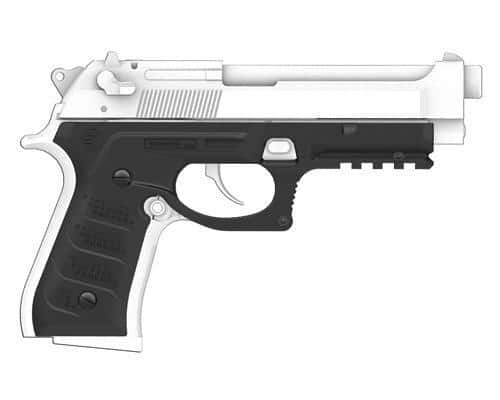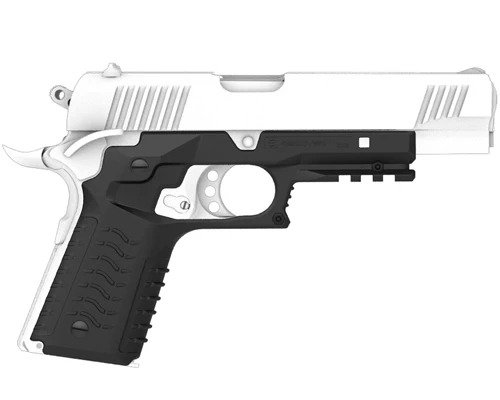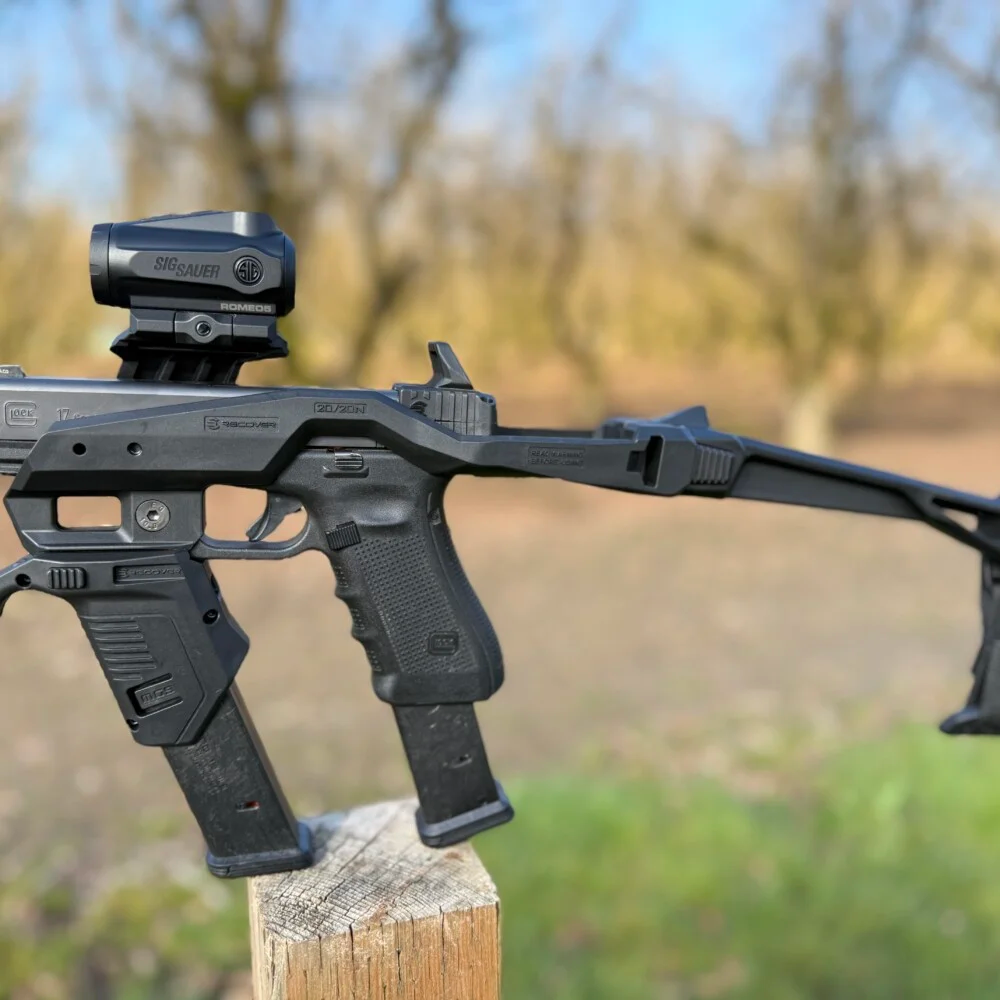
Staccato pistols represent the current peak of 2011-style engineering – match-grade accuracy, flawless reliability, and ergonomics that competitive shooters trust when scores matter. When you’ve invested in a Staccato platform, the question becomes how to extend its capabilities beyond what even these premium pistols deliver in factory configuration.
Adapter systems designed specifically for Staccato frames change the fundamental equation. These aren’t universal solutions adapted to work with Staccato – they’re engineered around the specific dimensions, rail configuration, and balance characteristics that make Staccato pistols unique in the 2011 category.
Here’s what you need to understand: a properly designed Staccato adapter amplifies the platform’s existing strengths while adding stability and control that pistol-only configurations can’t match.
Why Staccato Pistols Require Specialized Adapter Solutions
Not every pistol chassis or conversion system works with Staccato frames. The differences aren’t superficial – they’re fundamental design choices that affect how adapters must interface with the pistol.
Staccato builds on the 1911/2011 platform architecture, which means frame geometry differs significantly from striker-fired polymer pistols. The grip width, rail dimensions, trigger guard configuration, and overall frame profile follow specifications that separate 2011-style pistols from Glock-pattern or SIG-pattern platforms.
Frame materials matter here too. Staccato uses aluminum or steel frames depending on the model, not polymer. This affects mounting requirements, weight distribution, and how adapters secure to the frame. Solutions designed for polymer-framed pistols use mounting systems that won’t work with Staccato’s metal frame construction.
The rail system follows the 1913 Picatinny standard, but rail length and positioning vary between models. A C2 carries a shorter rail than a P, which differs from an XC. Adapter systems need to accommodate these variations without requiring different hardware for each model.
Magazine well dimensions create another compatibility factor. Staccato uses double-stack 2011 magazines that are wider than single-stack 1911 magazines but shaped differently from polymer pistol magazines. The adapter must provide clearance for these magazines during reloads without creating unnecessary bulk.
Weight and balance characteristics set Staccato apart from competing platforms. These pistols run heavier than polymer-framed competitors but deliver better recoil management because of that weight. An adapter system needs to maintain or improve this balance rather than making the pistol front-heavy.
Key Features of Professional-Grade Staccato Adapters
Understanding what separates functional adapters from professional-grade systems helps you evaluate options and make informed purchasing decisions.
Frame Mounting System: Professional adapters use multiple contact points that distribute stress across the Staccato frame rather than concentrating pressure at single points. Look for systems that secure at the dust cover, trigger guard area, and rear frame sections. This multi-point contact prevents frame flex during recoil and maintains zero with mounted optics.
The mounting hardware itself should use hardened steel fasteners with appropriate torque specifications. Staccato’s metal frames can handle more clamping force than polymer, but over-tightening still causes problems.
Material Construction: Aluminum construction provides the best balance between weight, strength, and durability for Staccato applications. The adapter needs to match the Staccato’s build quality – cheap polymer chassis feel wrong on a premium pistol and won’t hold up to the round counts these pistols typically see.
Finish quality matters beyond aesthetics. Hard anodizing or similar treatments protect against wear at contact points and prevent corrosion where dissimilar metals meet.
Accessory Integration: Multiple Picatinny rail sections give you mounting options for lights, lasers, vertical grips, or other accessories. M-LOK slots provide additional mounting flexibility without the bulk of continuous rails. The adapter should offer enough mounting real estate that you can configure it for different applications without buying multiple systems.
Consider what accessories you plan to run. If you’re mounting a weapon light and red dot, verify the adapter provides appropriate spacing and doesn’t create shadow issues.
Adjustability Options: Length-of-pull adjustment lets you fit the system to different shooters or shooting positions. This matters particularly if you’re running the Staccato in both static shooting drills and dynamic movement exercises where body position varies significantly.
Cheek rest height adjustment affects how naturally you acquire the red dot or iron sights. Staccato pistols ship with great sight pictures in stock configuration, and the adapter shouldn’t require you to adjust head position to achieve proper sight alignment.
Staccato Model Compatibility Breakdown
Different Staccato models require attention to specific compatibility factors. Understanding these differences prevents ordering an adapter that doesn’t fit your particular pistol.
Staccato C2: The compact C2 with its 3.9-inch barrel and shorter grip presents unique adapter challenges. The reduced frame length means less mounting surface, and the shorter sight radius requires attention to how the adapter affects sight picture. Weight becomes more critical – adding significant weight to a compact pistol can make it feel unwieldy.
Magazine compatibility deserves extra attention with C2 adapters. The compact grip uses shorter magazines, and the adapter must provide smooth reload access despite the reduced grip length.
Staccato P: The P represents Staccato’s duty/tactical offering with a 4.4-inch barrel. This model provides more frame length for adapter mounting and typically works with the widest range of adapter options. The P’s rail length accommodates most weapon lights without interference.
Most Staccato-compatible adapters design around P dimensions first, which means this model typically offers the best compatibility and fit.
Staccato C: The C (4.0-inch barrel) splits the difference between the C2’s compact dimensions and the P’s full-size profile. Adapter compatibility typically mirrors what works with the P, though you may find length-of-pull adjustments feel different due to the slightly shorter grip.
Staccato XC and XL: These competition-focused models with their extended slides (5.0-inch and 5.4-inch respectively) present different considerations. The additional weight forward means the adapter needs careful balance to prevent the pistol from becoming excessively nose-heavy.
The longer slides can create clearance issues with some adapter systems. Verify that the adapter provides adequate clearance for full slide travel and doesn’t interfere with extended dust cover or bull barrel configurations.
Optics Considerations Across Models: Most current Staccato models ship optics-ready or have optics-cut slides available. When choosing an adapter, verify it provides clearance for your specific optic. Red dots with larger windows or higher mounting heights may require adapters with raised cheek rests.
Installation Process for Staccato Adapter Systems
Installing an adapter on your Staccato requires attention to detail and proper tools, but the process doesn’t demand gunsmithing skills.
Pre-Installation Preparation: Clear your workspace and verify you have adequate lighting. Gather the required tools – typically hex keys, torque driver, and punch set. Read through complete installation instructions before starting. Lay out all adapter components and hardware to verify nothing is missing.
Field strip your Staccato completely. Remove the slide, barrel, recoil spring assembly, and grip panels if your model uses removable panels. Clean the frame thoroughly, paying attention to the rail area and any surfaces where the adapter will contact the frame.
Frame Insertion and Alignment: Most Staccato adapters work by securing around the frame rather than requiring frame disassembly. Position the frame into the adapter chassis, aligning the mounting points carefully. The frame should slide into position without forcing.
Check that the dust cover rail aligns properly with any adapter rail integration points. The trigger guard should sit correctly within its adapter cutout with clearance on all sides. The magazine well must maintain clear access without obstruction.
Securing the Frame: Install mounting hardware in the sequence specified by the manufacturer. This typically means starting with front mounting points, then moving to rear attachments. Hand-tighten all fasteners first to verify proper alignment before applying final torque.
Use a torque driver set to manufacturer specifications. For Staccato adapters, this typically ranges between 15-25 inch-pounds depending on the specific mounting point. Over-tightening can damage the frame. Under-tightening allows movement during firing.
After torquing all fasteners, check that the frame sits securely without play. Try to rock the frame within the adapter – you shouldn’t detect movement at mounting points.
Reassembly and Function Check: Reinstall the recoil spring assembly, barrel, and slide. The slide should rack smoothly without binding. Function check the trigger to verify it operates normally and that the adapter doesn’t interfere with trigger bar movement.
Install an empty magazine and verify it seats fully and drops free when you press the magazine release. Test with multiple magazines to confirm none create interference issues.
Final Verification: Before heading to the range, perform a complete function check. Rack the slide multiple times, dry fire (with appropriate safety precautions), and verify smooth operation. Check all mounting hardware one final time.
Range Setup and Zeroing Your Adapted Staccato
Taking your newly adapted Staccato to the range requires a methodical approach to verify function and zero any optics.
First Magazine Protocol: Load only 3-5 rounds for your first magazine. Fire slowly and deliberately, focusing on confirming reliable function rather than accuracy. Watch for any irregularities in cycling, ejection pattern, or feeding.
After the first magazine, visually inspect all mounting hardware. Check that nothing has shifted or loosened. This is particularly important with new installations where thread-locking compound may not have fully set.
Optic Zeroing Process: If you’re running a red dot, expect that mounting the pistol in an adapter may shift your zero slightly. The different shooting position and cheek weld can affect point of aim versus point of impact.
Start at 10 yards with a stable shooting position. Fire a 5-shot group aiming at the same point. Adjust your optic based on where the group centers. Once zeroed at 10 yards, move to 25 yards for final verification.
Balance and Handling Assessment: Run several magazines through basic drills – draw and first shot, controlled pairs, failure drills. Pay attention to how the adapted configuration affects your natural point of aim. The weight distribution will feel different than your stock Staccato.
Test reloads at various speeds. The adapter changes how the pistol balances during magazine changes, and you want to verify that your reload technique still works smoothly.
Maintenance Requirements for Adapted Staccato Configurations
Running your Staccato with an adapter system adds maintenance requirements beyond standard pistol care.
Post-Range Inspection Routine: After each range session, remove the Staccato from the adapter before cleaning. This lets you examine both the pistol and adapter separately. Clean the pistol according to Staccato’s recommendations, paying extra attention to areas where the adapter contacts the frame.
Check adapter mounting points for carbon buildup or debris. Even small particles trapped between the frame and adapter can affect mounting tension or create wear points.
Hardware Inspection Schedule: Every 500 rounds, verify torque on all mounting hardware. Repeated firing gradually loosens fasteners even with thread-locking compound applied. Keep a torque log noting when you last checked each mounting point.
Inspect fasteners for signs of stress or deformation. If you notice any hardware showing wear, replace it immediately.
Wear Pattern Monitoring: Metal-on-metal contact between the Staccato frame and adapter creates wear over time. This is normal, but excessive wear indicates problems. Check frame contact points monthly for unusual wear patterns.
Aluminum adapter components can show wear where accessories mount and dismount repeatedly. Replace adapter components showing significant wear before they affect function.
Troubleshooting Common Staccato Adapter Issues
Most adapter installation and operation proceeds smoothly, but understanding common issues helps you diagnose and resolve problems quickly.
Frame Doesn’t Seat Properly: If the frame won’t slide completely into the adapter, don’t force it. Remove the frame and check mounting channels for debris or manufacturing burrs. Verify that you haven’t accidentally installed the frame backward.
Verify that grip panels aren’t interfering with adapter components. Some adapters require removing grip panels before installation.
Loose Mounting After Installation: If mounting hardware is properly torqued but the frame still has play, the issue typically involves adapter dimensional tolerances. Contact the adapter manufacturer – most professional companies provide shims or spacers to compensate.
Don’t attempt to solve looseness by over-torquing fasteners. This damages threads without actually solving the movement problem.
Magazine Release Interference: If magazines won’t drop free or require excessive force to release, the adapter is likely restricting magazine well access. Check that the adapter’s magazine well cutout provides adequate clearance.
Test with multiple magazines. If only one magazine shows issues, the problem may be the magazine rather than the adapter installation.
Slide Doesn’t Rack Smoothly: Binding during slide manipulation typically indicates the frame isn’t seated properly. The frame position affects how the slide rails align. Remove and reinstall the frame, paying careful attention to seating it completely before torquing mounting hardware.
Legal Considerations for Adapted Staccato Configurations
Adapter systems for pistols operate within specific regulatory frameworks. Understanding these considerations helps you configure your Staccato legally.
Most adapter systems designed for pistol applications maintain pistol classification when properly configured. The key is understanding which features affect classification and verifying your specific setup remains compliant.
Adapter configuration matters significantly. Systems that provide stabilization without certain features maintain pistol status. However, adding specific types of stocks can change classification, which then triggers additional requirements.
State and local regulations vary considerably. Some jurisdictions restrict certain features or require registration for specific configurations. Before installing an adapter on your Staccato, research the regulations in your area thoroughly.
The practical approach: work with manufacturers who design systems specifically for legal pistol applications. Read all documentation carefully. When you have questions about whether your specific configuration complies with regulations in your area, consult qualified legal professionals who understand firearms law in your jurisdiction.
Choosing the Right Adapter System for Your Staccato
Multiple adapter options exist for Staccato pistols. Selecting the right one requires matching system capabilities to your specific needs.
Intended Application: How you plan to use your adapted Staccato shapes which features matter most. Competition shooting prioritizes weight distribution and accessory mounting. Home defense emphasizes quick manipulation and reliability. Range training might value adjustability to fit multiple shooters.
Define your primary use case before evaluating features. An adapter optimized for static competitive shooting won’t necessarily work well for dynamic tactical training.
Build Quality Assessment: Examine how the adapter is constructed. Aluminum components should show clean machining without rough edges or poor finish. Mounting hardware should be hardened steel, not soft metal that strips easily.
Check what warranty or guarantee the manufacturer offers. Companies confident in their engineering provide warranties that cover defects and normal wear.
Compatibility Verification: Confirm the adapter specifically lists your Staccato model as compatible. “Universal 1911/2011” claims don’t guarantee fit with Staccato’s specific dimensions. Contact the manufacturer directly with your exact model to verify compatibility before ordering.
Ask about what accessories work with the adapter. If you plan to run specific lights, optics, or grips, verify they’ll fit before purchasing.
User Reviews and Testing: Research what other Staccato owners report about specific adapter systems. Pay attention to reviews from shooters with similar use cases to yours. Competitive shooters and tactical trainers prioritize different characteristics.
If possible, handle an installed system before purchasing. Many shooting ranges have demo days where you can try various configurations.
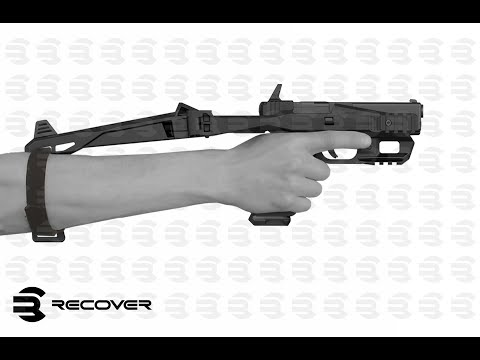
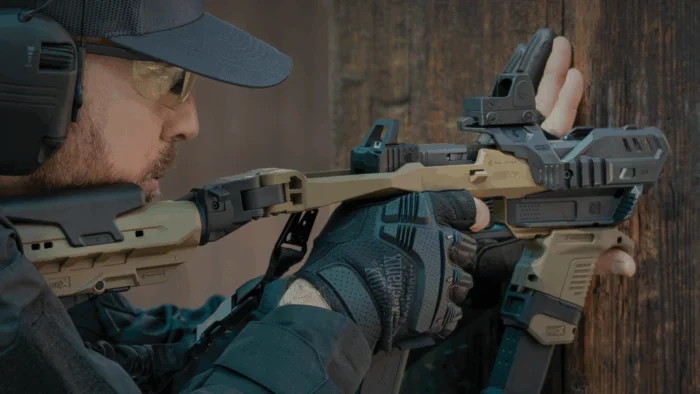
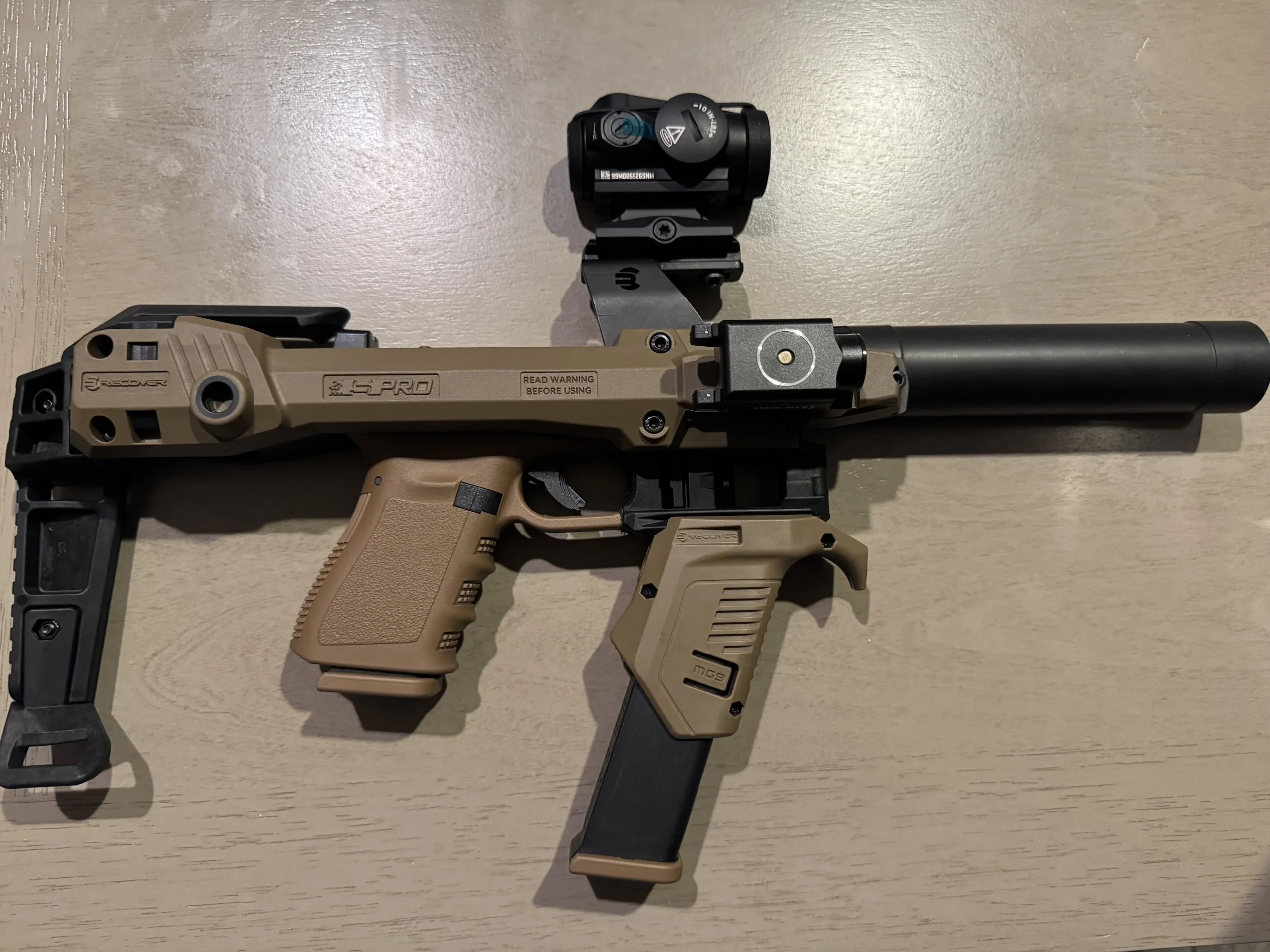
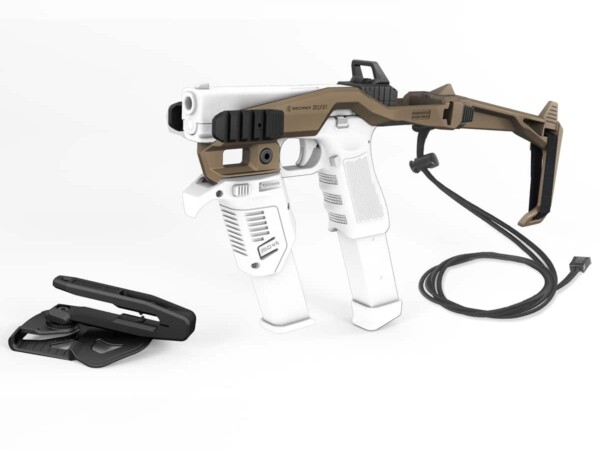
Recover Tactical Solutions for Staccato Platforms
Recover Tactical engineers stabilization systems that work with various pistol platforms, bringing the same attention to mechanical design that Staccato applies to their pistols.
The systems prioritize proper weight distribution to maintain the balance characteristics that make Staccato pistols track well during rapid fire. Rather than adding bulk that fights the pistol’s natural handling, the engineering focuses on extending what Staccato already does well.
Installation follows the approach that Recover Tactical applies across their product line. The systems use multiple mounting points to distribute stress properly, and the hardware is designed for the torque requirements that metal-framed pistols need. You don’t need specialized tools or gunsmith fitting – just attention to the provided instructions and proper torque specifications.
Material selection reflects what the target customer expects. Aluminum construction matches the quality standards that Staccato owners maintain. The finish holds up to regular use and cleaning without showing premature wear.
Accessory integration provides the mounting options that tactical shooters and competitors need. Picatinny rails accept standard weapon lights and accessories. M-LOK compatibility gives you flexibility in where you position accessories without continuous rail bulk. The system works with the optics-ready slides common on current Staccato models.
For Staccato owners exploring stabilization options, examining Recover Tactical’s approach to pistol conversion systems provides a reference point for what professional-grade engineering delivers. The systems demonstrate how proper design maintains the characteristics that make Staccato pistols exceptional while adding stability benefits.
Explore Recover Tactical’s conversion systems designed for premium pistol platforms.
Making the Adapter Investment Decision
Determining whether to adapt your Staccato requires honest assessment of what you gain versus what you invest.
The financial calculation is clear – quality adapter systems cost several hundred dollars. Add accessories, and you’re looking at significant investment. Compare this against what you paid for your Staccato and what performance improvements you actually need.
Performance benefits are real but application-specific. If you compete in divisions where stabilized configurations are legal, the accuracy and recoil management advantages show up directly in scores. For tactical training at extended distances, the benefits translate to better hit probability.
Consider whether you’d be better served by a dedicated pistol-caliber platform. Adapted pistols offer versatility – one firearm that works in both configurations. Dedicated platforms optimize specifically for their role.
Training time factors into the decision. Learning to shoot your Staccato effectively in an adapted configuration requires practice. The handling differences are significant enough that you can’t just install the adapter and expect peak performance immediately.
Think about your shooting trajectory. If you’re deepening your commitment to competition shooting or tactical training, an adapter investment makes sense as part of that progression.
The Staccato platform already delivers exceptional performance. An adapter extends specific capabilities – stability, control, accessory mounting – in ways that benefit certain applications significantly. Whether those benefits justify the investment depends entirely on what you need your pistol to do and how seriously you pursue those applications.