Stop treating your Staccato like a display piece. You invested in precision engineering – now maximize what that platform can actually deliver.
Most shooters buy premium pistols and never unlock their full capability because they don’t understand which upgrades provide measurable benefits versus which ones just drain your wallet.
Here’s the reality: strategic pistol modifications transform how your Staccato performs in competition, training, and practical use. The difference between a stock pistol and a properly configured system shows up on target, in split times, and in how consistently you can push performance across extended shooting sessions.
Understanding the Staccato Upgrade Foundation
Before spending money on modifications, understand what you’re working with. Staccato pistols ship with tighter tolerances, better triggers, and more precision than standard production guns. This means your upgrade path differs from someone working with a basic striker-fired pistol. You’re not fixing problems – you’re optimizing an already capable system for specific applications.
The 2011 platform your Staccato is built on accepts modifications across multiple systems. Frame, slide, barrel, trigger, grip, sights, and mounting options all offer customization potential. The question becomes which modifications serve your actual needs versus which ones look impressive but don’t affect performance.
Think about your primary use case. Competition shooters in USPSA Limited division need different configurations than someone running a Staccato for duty carry. A 3-Gun competitor has different priorities than a precision shooter focused purely on accuracy. Every modification should serve a specific purpose based on how you actually use the pistol. Random upgrades waste money and potentially degrade the balanced system Staccato engineered.
Budget matters too. A complete build with every available upgrade can easily push $2,000-3,000 beyond the base pistol cost. Understanding which modifications provide the highest return helps you prioritize spending based on actual performance gains rather than diminishing returns.
Optics: The Single Most Impactful Upgrade
Adding a quality red dot to your Staccato changes everything about how you shoot. The accuracy advantage Staccato builds into the platform combines with a red dot’s target focus capability to create a system that delivers precise hits faster than iron sights allow.
Most current Staccato models ship optics-ready or accept mounting plates for popular footprints. The Trijicon RMR remains the gold standard for duty and competition use – proven durability, clear glass, and battery life measured in years rather than months. The newer SRO offers a larger window for faster acquisition in competition settings where durability requirements are less extreme than tactical applications.
Holosun options provide excellent value with features like solar backup and multiple reticle choices. The 507C and 508T models deliver performance that rivals optics costing twice as much. For shooters on tighter budgets who still want red dot advantages, Holosun makes sense.
Mounting height affects sight picture and co-witness with backup irons. Lower mounts keep the dot closer to bore axis but may require removing factory sights. Higher mounts maintain iron sight co-witness but change the ergonomics of how you present the pistol. Competition shooters often prefer absolute co-witness or lower-third, while duty applications typically favor full co-witness for backup capability.
Don’t cheap out on mounting plates. Factory Staccato plates or quality aftermarket options from reputable manufacturers prevent the reliability issues that plague budget mounting solutions. A loose optic defeats the entire purpose of the upgrade. Loctite becomes essential – vibration will loosen screws over time without proper thread-locking.
The learning curve matters. Transitioning from irons to a red dot requires practice to build consistent presentation that puts the dot where you expect it. Budget 500-1,000 rounds of dedicated practice to internalize the new sight picture and presentation mechanics. The performance gains appear after you’ve trained through the adjustment period.
Grip Modifications for Control and Comfort
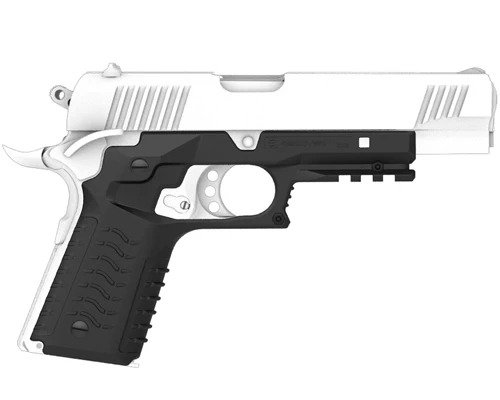
The modular grip frame on Staccato pistols accepts various grip panels and modifications that affect how you control the pistol through recoil and rapid fire strings. Hand size, shooting style, and environmental conditions all influence which grip configuration works best for your specific needs.
Aggressive texturing provides maximum purchase during competition or training where hand moisture and fatigue affect grip security. Companies like Talon Grips offer adhesive texture options that transform the factory polymer without permanent modification. Grip tape solutions let you experiment with different texture levels before committing to permanent alterations.
Stippling permanently alters the grip texture and can be tailored exactly to your hand shape and pressure points. Professional stippling work costs $100-300 depending on pattern complexity and coverage area. This modification is permanent – if you later want to sell the pistol or your preferences change, you’re living with the altered texture.
Grip angle and palm swell affect how naturally the pistol points and how recoil transfers through your hand structure. Some aftermarket grip panels alter the feel compared to factory specifications. Try before you buy when possible – what works for someone else’s hand might not suit your anatomy.
Undercut modifications behind the trigger guard allow higher hand placement on the frame, which reduces muzzle flip and improves recoil management. This modification requires skilled work – too aggressive and you affect reliability or create sharp edges that cause discomfort during extended shooting sessions.
Magazine well flares speed reloads by creating a larger funnel for magazine insertion. Competition shooters running timed stages benefit from the fractions of a second saved during reloads. For defensive or duty applications, the added bulk and snag potential may outweigh reload speed advantages. Consider your primary use case before adding this modification.
Trigger Customization Options
Staccato triggers ship excellent from the factory – crisp break, short reset, and pull weight appropriate for the pistol’s intended use. Most shooters don’t need trigger modifications. But competitive applications or specific preferences sometimes call for customization.
Pull weight adjustments range from factory 3.5-4.5 pounds down to 2-2.5 pounds for competition use. Lighter triggers allow faster shot transitions but require more discipline to avoid unintended discharges during movement or stress. Competition divisions with minimum trigger pull requirements dictate the lightest safe option. Duty or defensive applications should maintain heavier pulls – safety concerns outweigh the marginal speed advantage.
Trigger shoe shape affects finger placement and how force applies during the press. Flat triggers, curved triggers, and wide triggers all change the feel. Some shooters prefer the additional surface area of wider shoes, others want minimal material. This becomes personal preference – try different options if possible before purchasing.
Overtravel adjustment limits how far the trigger travels after the break. Reducing overtravel creates a more positive stop and can improve the feeling of trigger control. Too little overtravel risks light primer strikes or reliability issues. Professional installation ensures proper adjustment without creating mechanical problems.
Pre-travel adjustment affects how far the trigger moves before engaging the sear. Some shooters prefer taking up all slack before the wall, others want minimal pre-travel. Like overtravel, this requires careful adjustment to maintain reliability while achieving the desired feel.
Compensators and Barrel Modifications
Compensators reduce muzzle rise by redirecting propellant gases upward, countering the natural rotation that occurs during recoil. The performance benefit is real – faster split times and easier sight tracking through strings of fire. But compensators come with tradeoffs worth understanding.
Added length extends the overall pistol size, which affects holster options and maneuverability. The redirected gas creates additional noise and concussion – noticeable to the shooter and anyone standing near you. Some ranges restrict compensated pistols due to the increased noise and blast effects. Competition divisions have specific rules about compensator use, so verify your division allows them before investing.
Threaded barrel upgrades allow adding compensators to pistols that don’t ship with them. Quality threaded barrels from established manufacturers maintain the accuracy Staccato builds into the platform. Cheap barrels compromise precision – false economy when you’re working with a pistol engineered for tight accuracy.
Single-port versus multi-port compensators affect how much recoil reduction you gain and how the pistol balances. Larger compensators provide more gas redirection but add more weight to the muzzle. Finding the right balance depends on your hand strength, shooting style, and whether you’re optimizing for speed or precision.
Porting the barrel and slide creates permanent gas ports that provide compensation without adding length. This modification cannot be reversed – you’re committed once the work is done. Port erosion over tens of thousands of rounds may eventually affect accuracy, though this takes significant volume to become noticeable.
Sight Options Beyond Red Dots
If you’re not running an optic, sight selection significantly affects how quickly you acquire and track the front sight through shooting sequences. Factory Staccato sights work well for most applications, but specific preferences or use cases sometimes call for different options.
Fiber optic front sights gather light and create a bright aiming point that’s easy to acquire quickly. Competition shooters in divisions requiring iron sights often choose fiber optics for the speed advantage. The fiber rods can break with rough handling – carry a spare if you depend on them.
Blacked-out rear sights eliminate the distraction of rear sight dots or outlines, focusing your attention purely on the front sight. This setup works well for precision shooting where you have time to establish perfect sight alignment. For defensive or dynamic shooting where speed matters, some shooters prefer visible rear sight references.
Tritium night sights glow in darkness without requiring batteries or external light. For pistols used in defensive roles where low-light capability matters, tritium provides 24/7 visibility. The glow dims over years as the tritium decays – expect 10-15 year lifespan before replacement becomes necessary.
Sight height affects the relationship between bore axis and sight picture. Suppressor-height sights allow co-witnessing with red dots or clearing suppressor tops. Standard-height sights keep the sight picture closer to natural point of aim. Changing sight height affects your zero and how the pistol feels during presentation.
Stabilization Systems – The Foundation Upgrade
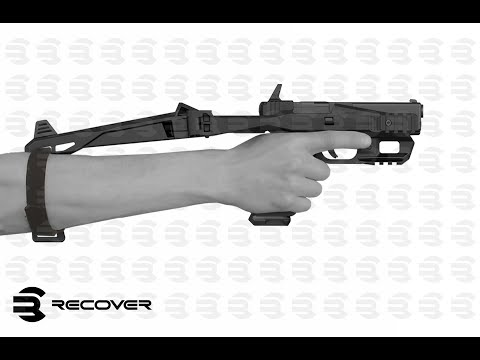
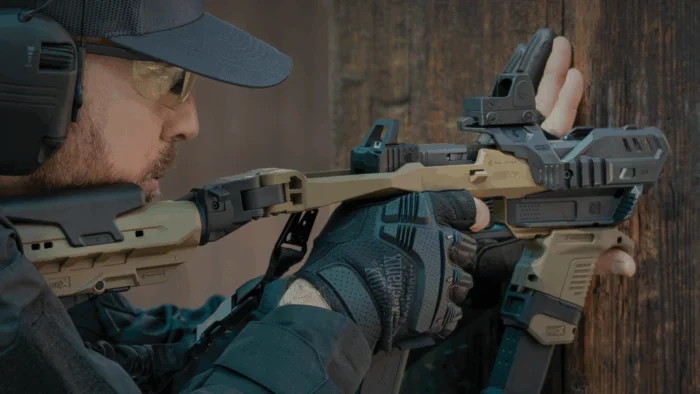
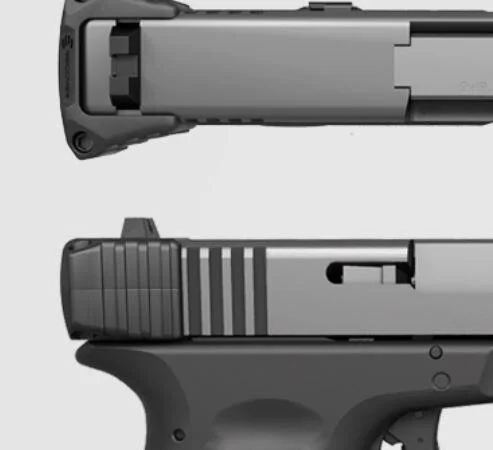
Here’s where we discuss the modification that changes your Staccato from a pistol into a precision carbine-handling system. Stabilization platforms transform the shooting experience by adding multiple points of contact, extended sight radius, and significantly improved recoil management.
Traditional pistol shooting relies on a two-handed grip fighting against recoil and muzzle rise. Add a stabilization system and suddenly you’re managing that same recoil through shoulder contact, cheek weld, and extended grip – exactly how rifles handle recoil so much more effectively than pistols.
The performance difference becomes obvious immediately. Your first shots with a stabilized Staccato will show tighter groups at distance, faster transitions between targets, and the ability to maintain accurate fire through longer strings. The mechanical advantage isn’t subtle – you’re adding stability points that make the pistol objectively easier to shoot well.
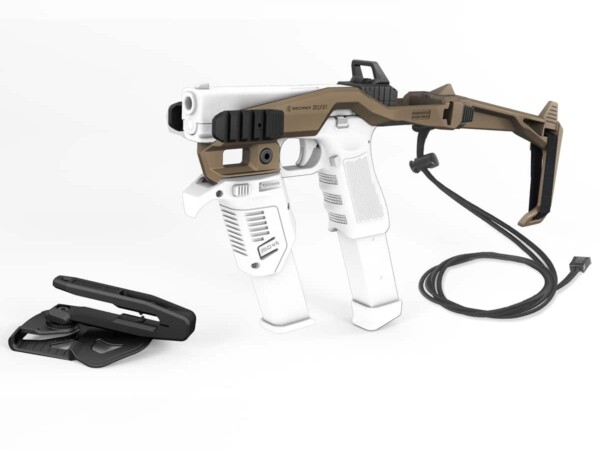
Compatibility matters significantly. Not all stabilization systems fit all Staccato models – rail dimensions, trigger guard geometry, and slide width vary between C2, P, XC, and XL variants. Quality systems are engineered specifically for the platform they support rather than trying to be universal solutions that fit everything poorly.
Installation should be tool-free or require only basic equipment. Systems that need gunsmithing or permanent modification defeat the practical advantage of being able to configure and reconfigure based on use case. A stabilization system you can install in minutes and remove just as quickly gives you flexibility – pistol configuration for carry or storage, stabilized configuration for range work or competition.
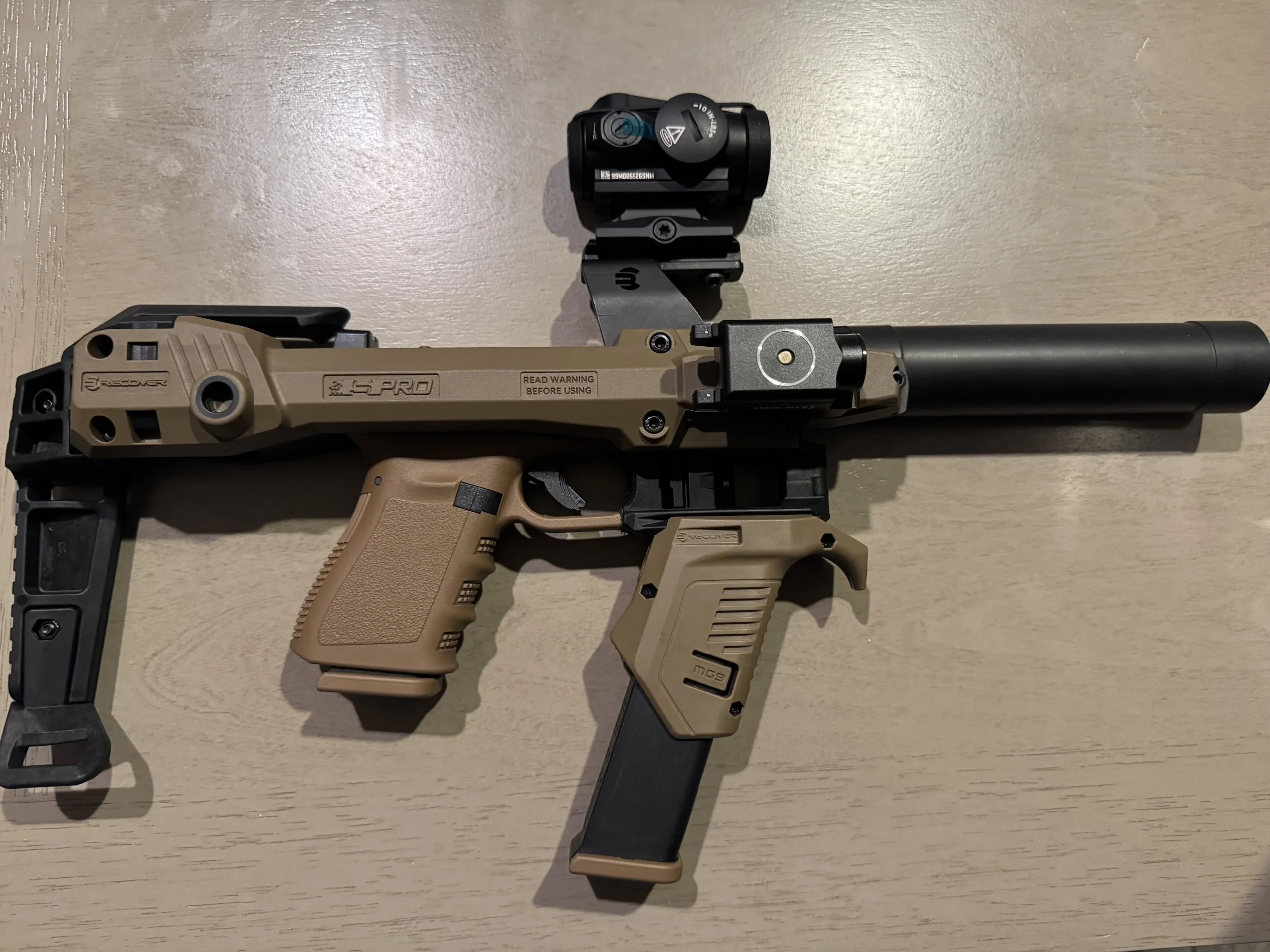
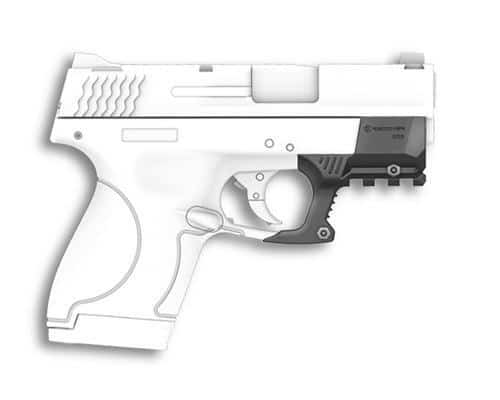
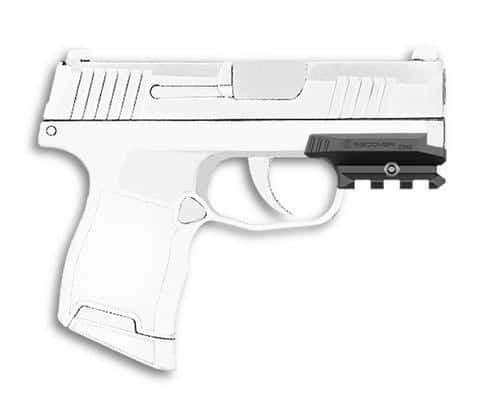
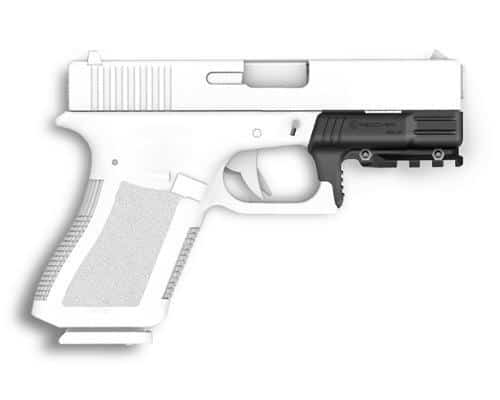
Accessory mounting becomes crucial once you add a stabilization platform. Picatinny rails along the length of the system allow attaching lights, lasers, grips, and other accessories exactly where you need them. The extended rail space compared to a pistol’s short dust cover rail opens up configuration options that weren’t possible before.
Weight distribution changes significantly with stabilization systems. The additional mass forward of the grip reduces felt recoil and muzzle rise, but affects how quickly you can transition the pistol between targets. Competition shooters often prefer this trade – slower transitions but easier to control during rapid fire. The balance point moves forward, changing the feel of presentation and movement.
The added length affects maneuverability in confined spaces and changes holster requirements. You’re no longer working with a compact pistol – the system extends overall length to carbine-like dimensions. For competition use where space isn’t constrained, this creates no issues. For defensive applications in vehicles or structures, consider whether the added length creates problems.
Quality stabilization systems maintain the Staccato’s accuracy while adding the stability advantages. Poorly designed systems that don’t properly support the pistol or that introduce flex points actually degrade accuracy compared to the bare pistol. Look for systems with positive engagement points, minimal play, and construction that matches the quality of the Staccato platform itself.
Lights and Laser Options
Weapon-mounted lights provide positive target identification in low-light conditions – essential for defensive applications where you need to verify threats before engaging. The Staccato’s rail section accommodates standard pistol lights from major manufacturers.
Lumens matter for effective illumination. Modern weapon lights range from 300-1,000+ lumens. More light helps in large spaces or outdoors, but creates more backscatter in fog, smoke, or close environments. For indoor defensive use, 300-500 lumens typically provides sufficient illumination without excessive glare.
Candela measures beam intensity and throw distance. High-candela lights project further with a tighter hotspot, useful for distance identification. Lower-candela, higher-lumen lights flood a wider area with more even illumination. Match the beam pattern to your expected engagement distances and environments.
Activation switches affect how quickly you can employ the light. Momentary-on switches provide instant activation when needed. Constant-on switches lock the light active for sustained use. Pressure pad switches add remote activation options when running stabilization systems with extended rails.
Laser aiming devices project a visible or infrared dot on target. Visible lasers work in any lighting condition and don’t require special equipment. Infrared lasers require night vision devices to see but provide covert aiming capability. Most civilian applications don’t require lasers – a quality red dot provides faster, more intuitive aiming.
Magazines and Magazine Extensions
Staccato uses proprietary double-stack magazines designed specifically for the 2011 platform. These aren’t interchangeable with standard 1911 or other 2011 magazines. Factory Staccato magazines deliver the reliability the platform needs – aftermarket alternatives vary significantly in quality.
Magazine extensions add capacity – typically 2-5 additional rounds depending on extension length. Competition shooters in divisions allowing them often run extensions to maximize rounds before reloads. The added length affects grip feel and may extend below the magazine well, changing how you present the pistol.
Base pad upgrades improve magazine insertion and extraction. Aluminum base pads protect magazines during competition use where you’re dropping them on hard surfaces repeatedly. Extended base pads create larger targets for reload fumbles – sometimes worth the minor capacity loss for the reliability gain.
Magazine maintenance directly affects reliability. 2011 magazines use tube construction with followers and springs that require periodic inspection and replacement. Budget for replacement springs every few thousand rounds of use. Damaged feed lips cause malfunctions – inspect regularly and retire questionable magazines before they cause problems during important use.
Building Your Upgrade Strategy
Smart modification follows a logical progression based on your primary use case and budget constraints. Start with changes that provide the largest performance improvement, then expand into refinements as needs and budget allow.
Competition shooters should prioritize optics first, then stabilization systems if division rules allow. These two modifications deliver the most significant performance advantages. Follow with grip modifications for comfort during long match days, then trigger work if you can safely run lighter pulls within division rules.
Duty and defensive applications should focus on reliability over maximum performance. Quality weapon light, tritium sights or a duty-rated red dot, and grip modifications that improve control under stress. Avoid modifications that reduce reliability or create sharp edges that cause issues during daily carry.
Precision shooting applications benefit most from optics, quality ammunition, and possibly barrel upgrades if you’re pushing extreme distances. Trigger refinement helps when you’re trying to maximize accuracy potential. Stabilization systems provide significant advantages for precision work at extended ranges.
Budget progression might look like: red dot and mounting ($400-600), grip modifications ($50-200), stabilization system ($200-400), trigger work ($150-300), compensator and barrel ($400-700). This spreads costs while building capability systematically rather than random modifications that don’t support a coherent goal.
Avoid the trap of endless modification. At some point, additional upgrades provide diminishing returns or actually complicate the system without meaningful benefit. A well-configured Staccato with optic, proper grip, and stabilization platform will outperform a pistol with every available modification installed without purpose.
Legal Considerations for Modifications
Certain modifications create legal requirements or restrictions. Understanding regulations before spending money prevents creating an illegal configuration or finding yourself with an unusable pistol.
Adding stocks to pistols creates short-barreled rifles requiring NFA registration and tax stamps. The Staccato platform with barrel lengths under 16 inches becomes an SBR if you attach a stock. Registration requirements, waiting periods, and tax stamps all come into play. Stabilization systems that specifically avoid stock characteristics remain legal for pistol use.
State and local laws vary significantly regarding magazine capacity, feature restrictions, and accessory requirements. California, New York, Massachusetts, and other states impose restrictions beyond federal law. Verify your jurisdiction’s specific requirements before purchasing modifications or accessories that might create compliance issues.
Transportation rules change when you modify pistols into NFA items. Interstate transport of SBRs requires approval, creating complications for competition travel or training classes in other states. Understanding these restrictions helps you decide whether modifications that trigger NFA requirements make sense for your situation.
This isn’t legal advice – consult qualified professionals regarding your specific situation and jurisdiction. Regulations change, interpretations vary, and individual circumstances affect compliance requirements.
Making Upgrades Work Together
The most effective upgraded Staccato configurations come from thoughtful integration where each modification complements the others rather than random additions that create an incoherent system.
A competition setup might combine red dot optics with stabilization platform, compensator, magazine extensions, and refined trigger. Each modification serves the goal of faster, more accurate shooting under time pressure. The parts work together – the stabilization platform’s added stability lets you run lighter trigger pulls safely, the compensator reduces movement the red dot has to track, the extensions reduce reload frequency.
A defensive configuration might emphasize weapon light, duty-grade optic or quality night sights, aggressive grip texture, and leaving the trigger at factory specifications. Reliability and durability outweigh maximum performance. The parts work together – the light identifies threats the optic or sights help you engage accurately, the grip maintains control under stress.
A precision setup might focus on match-grade barrel, quality optic, trigger refinement, and stabilization system. Modifications support the goal of maximum accuracy at extended ranges. The parts work together – the barrel provides mechanical accuracy, the optic eliminates sight alignment variables, the trigger lets you press without disturbing aim, the stabilization system adds stability for difficult positions or long strings.
Avoid building Frankenstein guns where modifications work against each other or where you’ve simply bolted on every available upgrade without purpose. Each modification should serve your specific goals and work with the other components to create a coherent system optimized for how you actually use the pistol.
The Staccato platform rewards thoughtful modification with measurable performance gains. Understanding which upgrades provide real advantages versus which ones just look impressive helps you build a configuration that actually works better rather than just looking tactical. Start with your use case, prioritize modifications that serve that purpose, and build systematically toward a complete system that maximizes what your Staccato can deliver.