Stop settling for factory tolerances when you could be shooting competition-grade accuracy. Staccato pistols represent a different approach to handgun design – one where precision isn’t an afterthought but the entire foundation.
These aren’t budget-friendly range toys. They’re purpose-built firearms that deliver measurable performance advantages in accuracy, trigger control, and reliability.
If you’ve been researching high-end pistols or wondering whether Staccato lives up to the reputation, here’s what you need to know about why thousands of competitive shooters, law enforcement professionals, and tactical enthusiasts choose this platform.
What Makes Staccato Different From Standard Pistols
Walk into most gun shops, and you’ll see the usual suspects – polymer-framed service pistols that prioritize capacity and reliability over precision. Staccato took a different path. Built on the 1911/2011 platform, these pistols combine traditional craftsmanship with modern manufacturing precision to create something distinct in the handgun market.
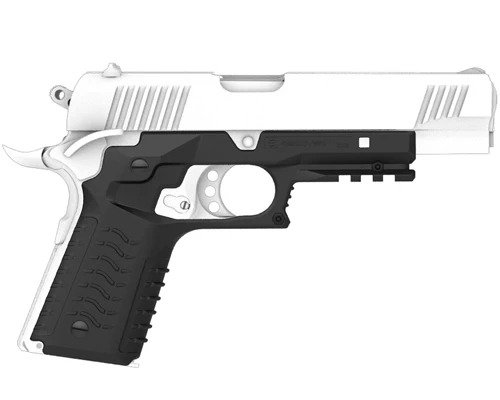
The difference starts with the frame. Staccato uses a modular steel chassis wrapped in a polymer grip module. This isn’t just about weight distribution – the steel frame provides a rigid foundation that keeps tolerances tight shot after shot. Your slide returns to battery in exactly the same position every time, which translates directly to consistent point of impact.
Then there’s the trigger. Most factory triggers break somewhere between 5-7 pounds with varying degrees of creep and overtravel. Staccato triggers ship with 3.5-4.5 pound breaks that feel like they were custom-tuned by a gunsmith. The reset is short, crisp, and tactile. You know exactly when the trigger resets without having to think about it.
Barrel fit matters more than most shooters realize. Staccato barrels are machined to tighter tolerances than standard production pistols, and they use a bull barrel design that increases bearing surface with the slide. Less barrel movement means more consistent accuracy. It’s the kind of detail that shows up on target at 25 yards.
The grip angle and ergonomics follow 1911 geometry – 18 degrees from bore axis. If you’ve ever wondered why 1911 shooters are so particular about their platform, this is part of it. The angle promotes natural point of aim and helps manage recoil through proper bone structure alignment rather than just grip strength.
Staccato’s Product Lineup: From Carry to Competition
Staccato doesn’t make dozens of models with minor variations. They focus on specific use cases with purpose-built designs. Understanding which model fits your needs matters because each one represents different priorities in the accuracy-size-capacity equation.
Staccato C2: The carry-focused option. This is Staccato’s answer to everyday concealment without sacrificing shootability. You get a 3.9-inch barrel, 16+1 capacity in 9mm, and all the accuracy advantages of the platform in a package that actually works for concealed carry. The shorter sight radius gives up some precision compared to the longer models, but you’re still miles ahead of most carry guns.
Staccato P: The duty pistol. Law enforcement agencies that adopt Staccato typically choose this model. It offers a 4.4-inch barrel, 17+1 or 20+1 capacity depending on the magazine, and strikes the balance between carry weight and competition-level accuracy. This is what “service pistol” looks like when precision is the priority.
Staccato XC: Built for competition. The 5-inch barrel and extended dust cover provide maximum sight radius and weight where you want it. Competitive shooters running divisions that allow it often choose the XC because it delivers the accuracy needed for precise shot placement at speed. The additional weight helps manage recoil during rapid strings of fire.
Staccato XL: The flagship. This is Staccato’s answer to what happens when you optimize purely for performance without worrying about carry considerations. Island barrel design, 5.4-inch length, and configuration options that let competitive shooters dial in exactly what they need for their division.
Each model ships with the same attention to detail in manufacturing – hand-fit components, individual test firing, and quality control that treats every pistol like a custom build. You’re not hoping you get a good one from the batch. Consistency is the standard.
Who Actually Needs This Level of Precision
Here’s the honest assessment. Most recreational shooters won’t fully utilize what a Staccato offers. If you shoot 100 rounds twice a year at paper plates from 7 yards, a $2,500 pistol won’t make you a better shooter than practice would. But if you fall into these categories, the performance difference becomes measurable and meaningful.
Competitive shooters: When you’re trying to shave tenths of a second off splits while maintaining A-zone hits, equipment matters. The Staccato trigger allows faster shot-to-shot transitions. The accuracy means you can push acceptable hit zones further. The ergonomics reduce fatigue during long match days. Shooters running USPSA Limited division, 3-Gun, or PCC alongside a pistol sidearm find that Staccato’s precision translates directly to better scores.
Law enforcement professionals: Several agencies have adopted Staccato as duty pistols because accuracy under stress matters. The familiar 1911 ergonomics reduce training time for officers with that background. The increased accuracy provides more margin when precise shot placement is critical. Agencies that prioritize marksmanship standards find the platform supports their training objectives.
Serious training students: If you’re taking multiple classes per year from reputable instructors, investing in equipment that matches your commitment makes sense. A Staccato won’t hide poor fundamentals, but it won’t hold you back as you develop advanced skills. Students report that the trigger feel and accuracy feedback accelerate skill development because you can clearly see the results of proper technique.
Handgun enthusiasts focused on precision: Some shooters simply appreciate fine tools. If you’re the type who notices the difference between a 2-inch group and a 1.5-inch group at 25 yards, and you value that precision for its own sake, Staccato delivers what you’re looking for. The platform rewards fundamentals and provides the mechanical accuracy to support precision shooting practice.
The question isn’t whether you can shoot well with something less expensive. You probably can. The question is whether the measurable performance advantages align with how you actually use your firearms and what you value in equipment.
Common Questions About Staccato Ownership
Reliability concerns with 1911/2011 platforms: Traditional 1911s have a reputation for being finicky with ammunition and requiring break-in periods. Staccato addressed this through modern manufacturing tolerances and engineering updates. Most owners report running various ammunition types without reliability issues. That said, like any precision tool, these pistols benefit from proper maintenance and quality magazines.
Magazine availability and cost: Staccato magazines aren’t cheap – expect $50-60 per magazine. The proprietary design means you can’t just use standard 1911 or 2011 magazines. Factor magazine cost into your budget if you plan to stock multiple spares for training or competition use.
Holster options: The Staccato platform has grown popular enough that most major holster manufacturers now offer models. Whether you need appendix carry, OWB competition rigs, or duty holsters, options exist. The standardized dimensions within each model line make holster selection straightforward once you know which Staccato you’re running.
Aftermarket support: The 2011 platform has decent aftermarket support for grips, sights, triggers, and other components. Some parts interchange with traditional 2011 builds, others are Staccato-specific. The platform is established enough that finding upgrades or replacement parts doesn’t require hunting obscure suppliers.
Maintenance requirements: Precision firearms require precision maintenance. Regular cleaning matters more with tighter tolerances. Lubrication points need attention. Springs have service intervals. If you view firearm maintenance as an occasional chore rather than part of ownership, factor that into your decision. These pistols reward proper care.
The Real Cost of Staccato Ownership
Let’s talk numbers honestly. Entry-level Staccato models start around $2,000. The XL and competition-focused variants push toward $4,000 or more depending on configuration. Then add magazines at $50-60 each, quality holsters, spare parts, and potentially upgraded sights or triggers if you want to customize further.
For that investment, you’re getting pistol that delivers mechanical accuracy most shooters can’t fully utilize. The question becomes whether that precision matters for your specific use case. If you’re shooting USPSA matches every month, training regularly, or using the pistol professionally, the performance advantages justify the cost. If you’re buying because reviews said “best pistol,” you might want to honestly assess whether you’ll use what you’re paying for.
Compare this to custom 1911/2011 builds from high-end smiths, which can easily exceed $5,000-6,000 for similar performance levels. Staccato delivers production consistency at a lower price point than true custom work. You’re paying for precision engineering and quality control, not hand-fitting by an individual gunsmith.
The resale market for Staccato pistols stays relatively strong. These aren’t budget guns that depreciate heavily once fired. Quality firearms from established manufacturers maintain value better than mass-market alternatives. Not that you should buy firearms as investments, but residual value matters if your needs change.
Upgrade Paths for Staccato Owners
Out of the box, Staccato pistols perform at a high level. But serious shooters often customize based on specific needs and preferences. Understanding common upgrade paths helps you plan your setup.
Optics mounting: Many Staccato models now ship optics-ready or offer plates for popular red dot footprints. Adding a red dot changes your shooting approach, particularly for competition use. The combination of Staccato accuracy with a quality optic creates a system capable of precise hits at speed that iron sights can’t match.
Trigger customization: Even though factory triggers are excellent, some shooters prefer specific pull weights or shoe shapes. Aftermarket trigger options let you dial in exactly what you want. Competitive shooters often run lighter pulls than would be appropriate for duty use. Understanding your specific requirements helps determine whether the factory trigger serves your needs or whether customization makes sense.
Grip modifications: The modular grip frame accepts different grip panels and texturing options. Hand size varies, shooting style varies, and environmental conditions vary. Customizing grip texture and shape improves control based on your specific needs. Some shooters add aggressive texturing for competition, others prefer more moderate texture for carry use.
Sights and sight tracking: Factory sights work well for most shooters, but competition use or specific preferences might call for different sight pictures. Fiber optic fronts, blacked-out rears, tritium night sights, or competition-specific sight heights all affect how quickly you acquire and track sights through strings of fire.
Compensators and ports: For competitive shooters in divisions that allow it, adding a compensator reduces muzzle rise and allows faster follow-up shots. The Staccato platform accommodates various comp options. This modification changes the pistol’s characteristics significantly – reduced recoil but increased length, weight, and complexity.
Each modification should serve a specific purpose based on how you actually use the pistol. Upgrades for the sake of upgrades don’t improve performance. Thoughtful customization based on identified needs creates a system that works better for your specific application.
Is Staccato Right for Your Needs
The decision comes down to honest self-assessment. Staccato pistols deliver measurable performance advantages in accuracy, trigger quality, and precision. Whether those advantages matter depends entirely on how you use your firearms and what you value in equipment.
If you’re committed to regular training, competitive shooting, or professional use where precision matters, Staccato offers advantages that translate to better performance. The platform rewards proper technique and provides the mechanical accuracy to support advanced skills development.
If you’re looking for a reliable carry gun and shoot occasionally, spending $2,500+ might not align with your actual usage patterns. Plenty of excellent pistols cost significantly less and will serve recreational shooters perfectly well.
The Staccato platform has established itself as a serious option for shooters who prioritize precision and are willing to invest in equipment that delivers measurable performance advantages. Understanding what you’re actually paying for – and whether you’ll use it – determines whether this is the right choice for your specific needs.
As the tactical accessories market continues expanding, options for enhancing pistol platforms keep growing. Whether you’re running a Staccato or another high-performance pistol, understanding what modifications actually improve performance versus what just looks impressive helps you build a system that works for your specific application. The foundation matters – start with a quality platform, then customize based on identified needs rather than marketing hype.