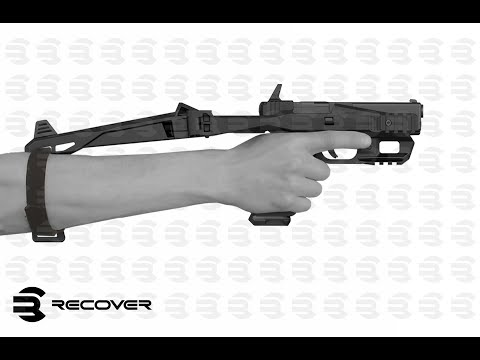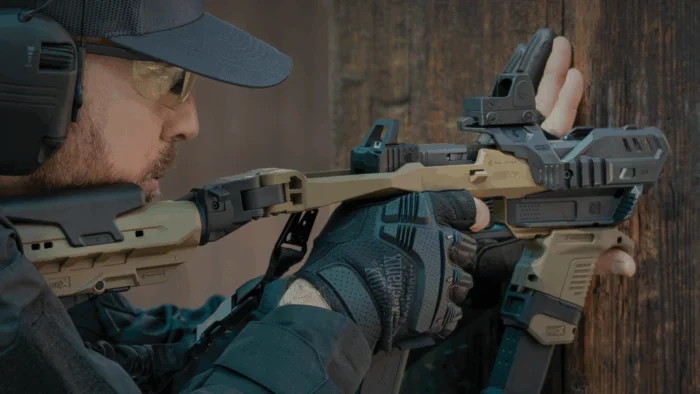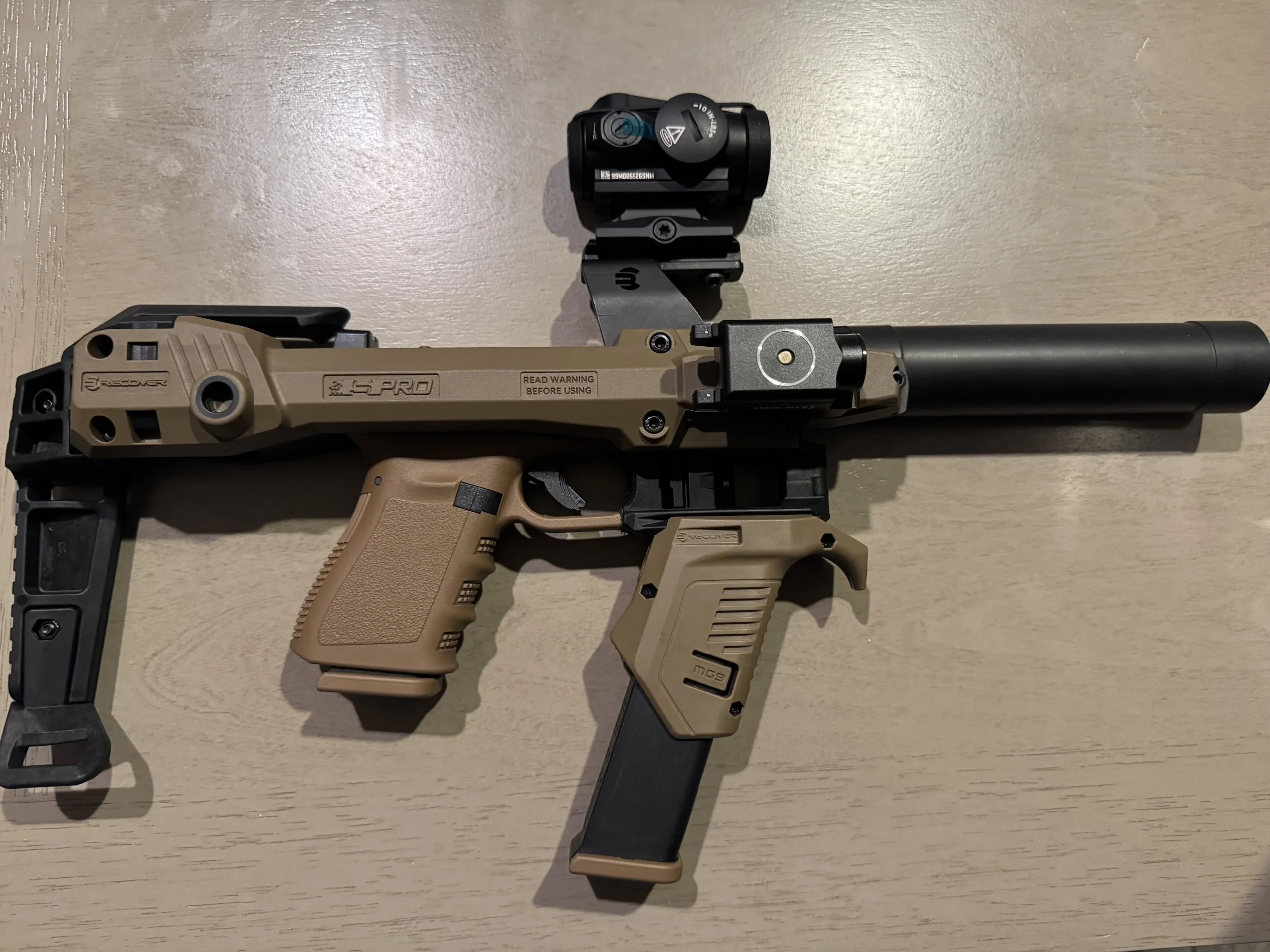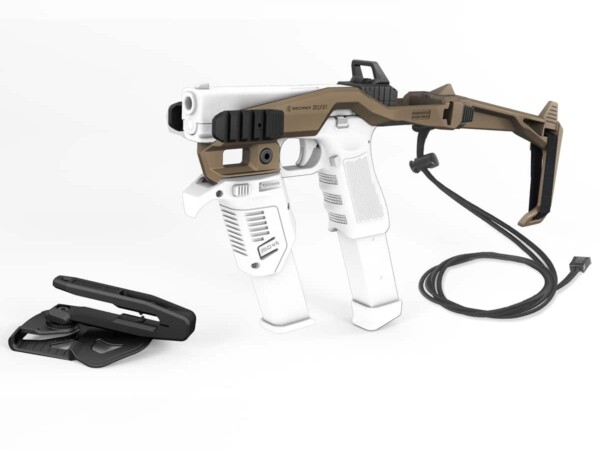
Stop. Stop scrolling through forum threads filled with conflicting advice about Glock conversion kits legality.
As the engineering team behind over 100,000 conversion systems sold worldwide, we’ve watched too many shooters get trapped in analysis paralysis over this question. Are Glock conversion kits legal? The answer depends on your specific situation, location, and the type of system you’re considering.
Here’s what we’ve learned after a decade of supporting tactical enthusiasts: Glock conversion kits legal status isn’t a simple yes or no answer. It requires understanding federal classifications, state variations, and local ordinances that change regularly. But here’s the critical part – the research process is straightforward when you know where to look.
Why Glock Conversion Kits Legality Isn’t as Simple as Yes or No
You’re asking the right question, but you’re probably expecting the wrong kind of answer.
Most shooters want a definitive “legal” or “not legal” response. What they get instead is a maze of federal classifications, state-specific requirements, and local ordinances that seem designed to confuse rather than clarify.
Here’s what we’ve discovered after supporting thousands of conversion kit installations: the legality question has multiple layers. Federal regulations provide the foundation. State laws add specific requirements. Local ordinances can introduce additional restrictions. Your intended use —ranging from range training to competition to home defense—may trigger different considerations.
The shooters who succeed are those who treat this as a research project, not a quick Google search. They contact local authorities. They speak with licensed dealers. They document their findings. Most importantly, they check local laws and regulations before making any purchase decisions.
Federal Framework: What You Need to Understand First
The federal level sets the baseline, but it’s not the complete picture.
Federal firearms regulations establish categories and classifications that govern the treatment of conversion systems under the law. These classifications affect everything from purchase requirements to transfer documentation to storage obligations.
But here’s where most online advice falls short: federal regulations are complex, technical documents that require professional interpretation. What seems straightforward in a forum post often involves nuanced regulatory language that changes meaning based on specific circumstances.
Key federal areas that typically apply include:
- Product Classification – How different conversion systems are categorized
- Transfer Requirements – Documentation needed for purchase and ownership
- Modification Restrictions – Which alterations require additional oversight
- Interstate Transport – Rules for traveling between states with conversion systems
- Record Keeping – Documentation requirements for owners and dealers
Rather than attempting to interpret these federal requirements ourselves, we strongly recommend consulting with licensed firearms dealers and legal professionals who specialize in current federal firearms law. They can explain how these classifications apply to your specific situation and intended use.
State and Local Laws: Where the Real Complexity Lives
Federal law is just the starting point. State and local regulations determine what you can actually do.
Every state approaches conversion kit regulations differently. Some states have minimal additional requirements beyond federal law. Others have comprehensive frameworks that add layers of permits, registrations, and usage restrictions.
Local jurisdictions can add even more specific requirements. Cities and counties may have ordinances that restrict certain types of conversion systems, limit where they can be used, or require additional documentation.
Common state and local variations include:
- Permit Requirements – Special licenses needed for conversion kit ownership
- Registration Protocols – Documentation that must be filed with local authorities
- Capacity Restrictions – Limitations on magazine size or system configuration
- Transport Rules – How conversion systems must be secured during transport
- Usage Limitations – Where converted systems can be legally used
- Storage Requirements – Specific security measures for home storage
The challenge is that these requirements change. What was acceptable last year might require additional steps today. What works in one county might be restricted in the next county over.
This is exactly why we always advise customers to check local laws and regulations first. Contact your local law enforcement firearms unit. Speak with licensed dealers in your area. Get current, location-specific guidance before making any purchase decisions.
Due Diligence Steps Every Buyer Must Take
Research isn’t optional. It’s the foundation of responsible ownership and smart purchasing.
Smart shooters follow a systematic approach that eliminates guesswork and builds confidence. They don’t rely on forum posts or outdated articles. They go directly to authoritative sources and document their findings.
Your research checklist should include:
- Contact Local Law Enforcement – Reach out to your local firearms unit or sheriff’s department for current requirements in your jurisdiction
- Consult Licensed Dealers – Speak with FFL dealers who understand federal, state, and local requirements in your area
- Review Current Regulations – Check official government websites for the most up-to-date federal, state, and local regulations
- Seek Professional Legal Guidance – Consider consulting with attorneys who specialize in firearms law
- Document Everything – Keep detailed records of your research, including dates, sources, and specific guidance received
- Verify Information Currency – Ensure all information is current, as regulations change frequently
- Get Written Confirmation – When possible, obtain written confirmation of requirements from official sources
This process takes time, but it’s time well invested. Every hour you spend on research prevents potential complications, protects your investment, and gives you confidence in your setup.
The shooters who skip this process often discover compliance issues after they’ve already made their purchase. That’s expensive, stressful, and completely avoidable with proper upfront research.
Working with Professionals: Your Safety Net
The most reliable path forward involves building relationships with professionals who understand the current regulatory environment.
Licensed firearms dealers aren’t just sales channels – they’re regulatory experts who navigate federal, state, and local requirements daily. The best dealers maintain current knowledge of classification changes, permit requirements, and compliance procedures across multiple jurisdictions.
Attorneys specializing in firearms law provide another layer of expertise. While consultation involves cost, it’s often a fraction of what you’d spend dealing with compliance issues discovered after purchase.
Questions to ask licensed dealers:
- What specific documentation is required for conversion kit purchases in this jurisdiction?
- Are there configuration restrictions or modifications I should know about?
- What permits or registrations are necessary for my intended use?
- How do transport and storage requirements apply to conversion systems in this area?
- Are there restrictions on where I can use converted systems?
Questions for legal professionals:
- How do current federal regulations apply to my specific situation and intended use?
- What state-specific requirements affect conversion kit ownership in my location?
- Are there pending regulatory changes I should consider?
- What documentation should I maintain for compliance purposes?
- How should I handle interstate travel with conversion systems?
Professional guidance isn’t just about avoiding problems – it’s about understanding opportunities. Knowledgeable dealers and attorneys can often identify legal options you might not have considered.
Making Informed Purchase Decisions
Once you’ve completed your research, you can move forward with complete confidence.
This is where preparation pays dividends. You understand the regulatory framework. You know the specific requirements in your jurisdiction. You have professional guidance. You’re ready to make decisions based on facts rather than forum speculation.
Your purchase decision should consider:
- Compliance Verification – Confirmation that your chosen system meets all applicable federal, state, and local requirements
- Documentation Requirements – Understanding what paperwork you’ll need for purchase, ownership, and potential future transfer
- Usage Parameters – Clear knowledge of where and how you can legally use your conversion system
- Transport Considerations – Requirements for moving your system between locations
- Storage Obligations – Specific security measures required in your jurisdiction
Beyond compliance, evaluate:
- Performance Goals – How the conversion system supports your accuracy, control, and tactical objectives
- Installation Requirements – Whether you can handle installation yourself or need professional assistance
- Upgrade Compatibility – How this system fits into your long-term equipment plans
- Training Integration – How the converted system supports your skill development goals
When you’ve done the legal homework and understand the performance benefits, you’re positioned to make the best choice for your specific situation. No second-guessing. No compliance anxiety. Just confidence in your decision.
The smart approach is always compliance first, performance second. Get the legal framework right, then optimize for your tactical needs within that framework.
Are Glock conversion kits legal? The answer depends on your research, your location, and your specific situation. But now you have the framework to find that answer with confidence.
Start with the due diligence steps we’ve outlined. Contact local authorities first. Speak with licensed dealers in your area. Get the specific, current guidance you need for your jurisdiction. Document everything.
Remember: regulations change, jurisdictions vary, and what works for other shooters might not apply to your situation. The only reliable approach is personal research with professional guidance.
Check local laws and regulations before making any purchase decisions. Then, when you’re ready to move forward, choose conversion systems that meet both your compliance requirements and your tactical objectives.
Your future self will thank you for doing the homework upfront. Proper research eliminates compliance anxiety and builds confidence in your setup. That’s the foundation of responsible ownership and optimal performance.